The Rio Grande is more than a river, it is a boundary between countries. But even so, it remains remote and lonely, the Chihuahuan Desert surrounding it closely as opposed to city after city. As a rafting experience, the Rio Grande is unique as well as lonely, the stark walls on either side stretching high above, sometimes one half in Mexico and the other in the United States . . . even if neither country has much in the way of outposts on these rugged canyons.
The best parts of the Rio Grande to raft are those canyons, and the roughness of the trip depends on which canyon. The Boquillas Canyon is very gentle while the Lower Canyons are tricky, expert runs.
Click on any of the river segments below for more detail.
Boquillas Canyon marks a long and leisurely run between canyon walls that climb to 1,200 feet, but despite their size, are more awesome than oppressive.
You can't even reach this canyon without four-wheel drive, it's so remote. It's also pretty short; the run's only ten miles long, but it's ten miles run between limestone cliffs that are almost as tall as Santa Elena's walls (these climb up to 1,400 feet).
The Lower Canyons are daunting. A typical route down this portion of the Rio Grande takes anywhere from five to ten days and the rapids range from Class II to Class IV in intensity.
Santa Elena Canyon is the most popular part of the Rio Grande to raft, not just because it's about as accessible as accessible can get, but because it's gorgeous.
Boquillas Canyon marks a long and leisurely run between canyon walls that climb to 1,200 feet, but despite their size, are more awesome than oppressive.
You can't even reach this canyon without four-wheel drive, it's so remote. It's also pretty short; the run's only ten miles long, but it's ten miles run between limestone cliffs that are almost as tall as Santa Elena's walls (these climb up to 1,400 feet).
The Lower Canyons are daunting. A typical route down this portion of the Rio Grande takes anywhere from five to ten days and the rapids range from Class II to Class IV in intensity.
Santa Elena Canyon is the most popular part of the Rio Grande to raft, not just because it's about as accessible as accessible can get, but because it's gorgeous.
River Details
Setting:
Desert Canyon
Class:
Class II - IV
Time
4 or more days The entire raftable river would take up to two weeks to explore.
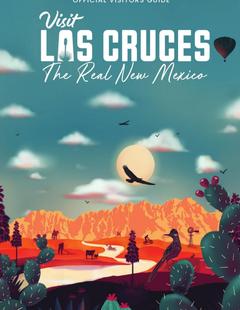
Southern New MexicoLas Cruces is a charming city nestled between the awe-striking Organ Mountains and the Rio Grande. There are a variety of unique local attractions and historic museums to keep visitors entertained. Request this Free Visitor GuideRequested!You're all set! Request a few more Visitor Guides, or complete the form below to receive your guides by mail.
Laredo, Texas Southern Texas
Laredo, Texas
Southern TexasSavor Laredo’s many colorful flavors, from its rich history to its unique culture where two worlds meet, creating an experience unlike anything else. This southern getaway is the ideal venue for an enticing menu of bargain buys of every kind. Just being in Laredo brings you close to Mexico, but if you desire an even closer look, go no further than San Bernardo Avenue. We look forward to extending a warm "Bienvenido a Laredo" to you. Request this Free Visitor GuideRequested!You're all set! Request a few more Visitor Guides, or complete the form below to receive your guides by mail.
El Paso Mexican Border
El Paso
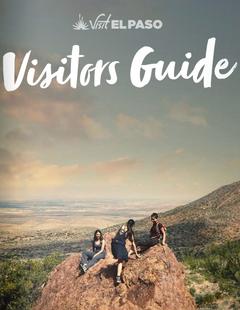
Mexican BorderEl Paso meets not only New Mexico but Old Mexico as well, making it a place rich in culture and history. High mountains cut through the city which gives it a dramatic setting as well as a great offering of very nearby outdoor recreational opportunities such as hiking, rock climbing and mountain biking. Request this Free Visitor GuideRequested!You're all set! Request a few more Visitor Guides, or complete the form below to receive your guides by mail.
Kerrville Hill Country
Kerrville
Hill CountryKerrville's spring-fed creeks make the area a natural paradise filled with opportunities to enjoy the outdoors. In town you'll find friendly locals and exciting things to do, such as visiting museums or shopping unique boutiques. Request this Free Visitor GuideRequested!You're all set! Request a few more Visitor Guides, or complete the form below to receive your guides by mail.
Rockport-Fulton Texas Gulf Coast
Rockport-Fulton
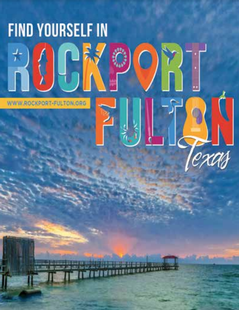
Texas Gulf CoastThe charm of the Texas Coast. We love it here on the Texas Gulf Coast and want you to know and love it too. Rockport-Fulton is a state of mind as much as it is a place. Request this Free Visitor GuideRequested!You're all set! Request a few more Visitor Guides, or complete the form below to receive your guides by mail.
Aransas Pass Texas Gulf Coast
Aransas Pass
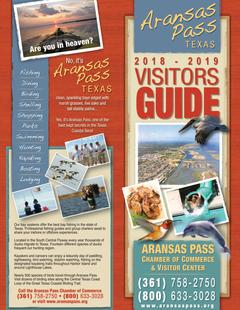
Texas Gulf CoastLocated on the coast of Texas, Aransas Pass is the heart of the Coastal Bend. Aransas Pass offers thriving hospitality, community and a variety of recreational activities. Stay a for a weekend or a lifetime! Request this Free Visitor GuideRequested!You're all set! Request a few more Visitor Guides, or complete the form below to receive your guides by mail.
Sabine County East Texas
Sabine County
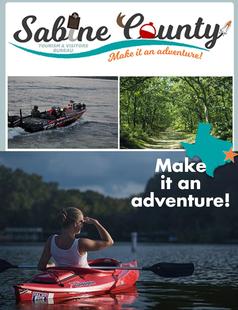
East TexasOne of East Texas’ best kept secrets, Sabine County is located along the Texas/Louisiana border and is surrounded by two of the best bass fishing lakes in the nation. Request this Free Visitor GuideRequested!You're all set! Request a few more Visitor Guides, or complete the form below to receive your guides by mail.
We also have the following visitor guides in Texas. Click on any additional guides you would like to receive.
Las Cruces Southern New Mexico
Las Cruces
Southern New MexicoLas Cruces is a charming city nestled between the awe-striking Organ Mountains and the Rio Grande. There are a variety of unique local attractions and historic museums to keep visitors entertained. Request this Free Visitor GuideRequested!You're all set! Request a few more Visitor Guides, or complete the form below to receive your guides by mail.
Laredo, Texas Southern Texas
Laredo, Texas
Southern TexasSavor Laredo’s many colorful flavors, from its rich history to its unique culture where two worlds meet, creating an experience unlike anything else. This southern getaway is the ideal venue for an enticing menu of bargain buys of every kind. Just being in Laredo brings you close to Mexico, but if you desire an even closer look, go no further than San Bernardo Avenue. We look forward to extending a warm "Bienvenido a Laredo" to you. Request this Free Visitor GuideRequested!You're all set! Request a few more Visitor Guides, or complete the form below to receive your guides by mail.
El Paso Mexican Border
El Paso
Mexican BorderEl Paso meets not only New Mexico but Old Mexico as well, making it a place rich in culture and history. High mountains cut through the city which gives it a dramatic setting as well as a great offering of very nearby outdoor recreational opportunities such as hiking, rock climbing and mountain biking. Request this Free Visitor GuideRequested!You're all set! Request a few more Visitor Guides, or complete the form below to receive your guides by mail.
Kerrville Hill Country
Kerrville
Hill CountryKerrville's spring-fed creeks make the area a natural paradise filled with opportunities to enjoy the outdoors. In town you'll find friendly locals and exciting things to do, such as visiting museums or shopping unique boutiques. Request this Free Visitor GuideRequested!You're all set! Request a few more Visitor Guides, or complete the form below to receive your guides by mail.
Rockport-Fulton Texas Gulf Coast
Rockport-Fulton
Texas Gulf CoastThe charm of the Texas Coast. We love it here on the Texas Gulf Coast and want you to know and love it too. Rockport-Fulton is a state of mind as much as it is a place. Request this Free Visitor GuideRequested!You're all set! Request a few more Visitor Guides, or complete the form below to receive your guides by mail.
Aransas Pass Texas Gulf Coast
Aransas Pass
Texas Gulf CoastLocated on the coast of Texas, Aransas Pass is the heart of the Coastal Bend. Aransas Pass offers thriving hospitality, community and a variety of recreational activities. Stay a for a weekend or a lifetime! Request this Free Visitor GuideRequested!You're all set! Request a few more Visitor Guides, or complete the form below to receive your guides by mail.
Sabine County East Texas
Sabine County
East TexasOne of East Texas’ best kept secrets, Sabine County is located along the Texas/Louisiana border and is surrounded by two of the best bass fishing lakes in the nation. Request this Free Visitor GuideRequested!You're all set! Request a few more Visitor Guides, or complete the form below to receive your guides by mail.
We also have visitor guides available in states highlighted in blue below. Click on any state to see what's available.
Alaska
Arizona
California
Canada
Colorado
Hawaii
Idaho
Louisiana
Michigan
Montana
Nevada
New Mexico
Ohio
Oregon
Texas
Utah
Washington
Wyoming
Switch to Mobile Browser Mode
We offer a compact version of Go-Texas for mobile users, allowing you to access just the information you need on the road. Of course, you can still use the full version of Go-Texas on your mobile device just as you can on your desktop.